
Why Sealing Your Home Is One of the Smartest Investments You Can Make This Winter
- Slabworx

- Nov 17, 2025
- 4 min read
Updated: Feb 20
How Thermal Engineering Shows You're Literally Wasting Money on Heating!
Heating the Outdoors!
As a thermal systems engineer, I often share a crucial truth:
If your home isn’t properly sealed, you’re losing heat—and money—every minute of the day.
In Vermont, where temperatures swing dramatically and winter lasts nearly half the year, heat loss is more than just an inconvenience. It directly affects your comfort, your building’s lifespan, and your energy bills.
Let’s explore why sealing your home is essential, what thermal imaging reveals, and how much money you might be wasting when drafts and leaks go unaddressed.
Heat Loss 101: The Science Behind Your Rising Energy Bills
Here’s the basic principle: Heat always moves toward cold.
In winter, warm air inside your home tries to escape into the freezing outdoor air. If your home has gaps—around windows, doors, sills, utility penetrations, or foundation cracks—that heat finds a way out.
The result?
Your heating system runs longer.
Your home feels colder.
Your energy usage spikes.
You pay more every month.
Even a tiny gap can make a massive difference. Air leakage follows pressure differences, so small cracks act like heat highways during winter.
Most Homes Lose 20–50% of Their Heat to Air Leaks Alone
That’s not an exaggeration. The Department of Energy (DOE) data shows air leakage is one of the largest sources of home energy waste.
Common culprits include:
Window and door drafts
Foundation and sill leaks
Rim joist gaps
Electrical and plumbing penetrations
Basement cracks
Attic bypasses
Siding and wall gaps
Every one of these points allows warm air to escape and cold air to enter—creating a constant, expensive temperature battle inside your house.
Moisture Intrusion Makes It Even Worse
Where air moves, moisture follows.
Unsealed gaps allow humid air into cold spaces, leading to:
Mold
Rotting wood
Wet insulation
Cracked foundations
Musty odors
Freeze–thaw damage
And here’s the worst part: Wet insulation can lose up to 70% of its ability to retain heat.
That means even well-insulated homes can feel cold if they aren’t sealed.
Thermal Imaging: Seeing the Invisible Heat Loss
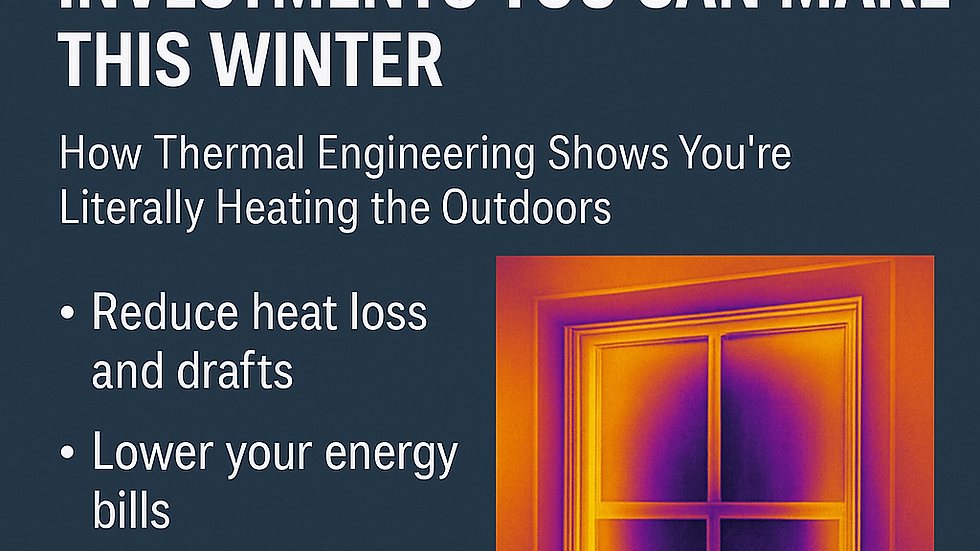
You can't see heat loss with the human eye. But thermal imaging lets us visualize temperature differences through walls, floors, ceilings, and foundations.
Using infrared technology, we can spot:
Hidden drafts
Moisture pockets
Missing insulation
Cold floors
Air infiltration paths
Foundation leaks
Sill plate drafts
Window and door heat loss
It’s like giving your home a full-body scan to identify exactly where energy is escaping.
Once the leaks are mapped, sealing becomes precise and highly effective.
Why This Matters Now: Energy Costs Are Rising Fast
In the Northeast, heating costs have surged due to:
Fuel price increases
Aging buildings
Longer heating seasons
Energy grid strain
Inefficient building envelopes
A drafty home isn’t just uncomfortable—it’s expensive.
Most homeowners don’t realize how much money they’re losing until they see the thermal images and understand the airflow.
The ROI of Air Sealing Is Huge
Air sealing is one of the few improvements that:
Pays for itself quickly
Lowers monthly bills
Improves comfort immediately
Reduces HVAC wear and tear
Prevents moisture damage
Extends your building’s lifespan
Most homes see 15–40% energy savings once leaks are sealed. That’s hundreds—sometimes thousands—saved per year.
Why SlabWorx Offers Thermal Imaging & Home Sealing
We brought thermal engineering into our service lineup for one reason:
Vermont homeowners are wasting far too much money on preventable heat loss.
Using high-resolution thermal scanners, we identify and seal:
Window and door drafts
Foundation leaks
Sill plate air gaps
Moisture infiltration points
Cold floor transfer zones
Attic temperature loss
Basement slab seepage
Our goal is simple: Help Vermonters stop heating the outdoors.
A sealed home lasts longer, feels better, costs less to run, and stays healthier year-round.
Understanding the Importance of a Sealed Home
The Comfort Factor
When your home is properly sealed, you enjoy a consistent temperature. No more chilly drafts or cold spots. You can relax in comfort, knowing your home is working efficiently.
Protecting Your Investment
A well-sealed home protects your investment. It reduces wear and tear on your heating system. This means fewer repairs and a longer lifespan for your HVAC equipment.
Environmental Impact
By sealing your home, you also contribute to a healthier environment. Less energy consumption means a smaller carbon footprint. You’re not just saving money; you’re helping the planet too.
The Financial Implications of Heat Loss
Understanding Your Energy Bills
Have you ever looked at your energy bill and thought, "Why is it so high?"
Heat loss is often the culprit. When your home leaks heat, your heating system works harder. This leads to higher energy consumption and, consequently, higher bills.
Calculating Your Losses
Let’s break it down. If your home loses just 20% of its heat due to leaks, you could be wasting hundreds of dollars each year. Imagine what you could do with that extra cash!
Investing in Solutions
Investing in air sealing and insulation can pay off quickly. The initial costs are often outweighed by the long-term savings on your energy bills. Plus, you’ll enjoy a more comfortable living space.
Final Thoughts

Your home is a system—and when one part leaks, the entire system loses efficiency. Sealing your home is one of the most important steps you can take to protect it from rising energy costs, moisture damage, and unnecessary wear.
If your home hasn’t been checked with thermal imaging, you’re likely spending more than you should.
SlabWorx can help you find the leaks, fix them, and keep your home warm, efficient, and protected.
Don’t wait. Take action today and stop wasting money on heating!


Comments